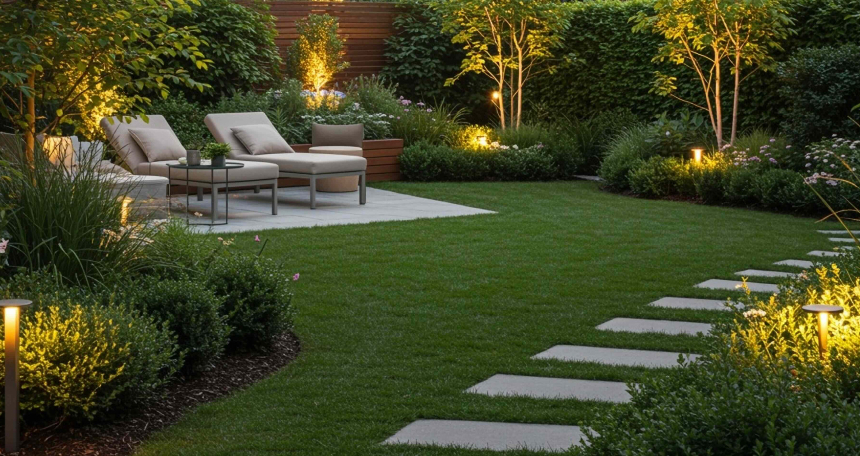
Poor drainage, misplaced structures and impractical layouts can leave homeowners paying thousands to rebuild recently completed gardens, an outdoor living expert has warned.
Homeowners planning garden renovations this summer could face correction bills of up to £15,000 if they prioritise appearance over practicality.
Luke Dejahang, an outdoor living expert with 20 years’ worth of experience at Crown Pavilions, says some of the most popular garden improvements can become expensive liabilities when positioning, drainage, materials and long-term usability are not considered before work begins.
While an attractive and functional garden can enhance the enjoyment homeowners receive from their property, Luke warns that poorly planned projects can require extensive rebuilding before they deliver the expected return on that investment.
“People often spend months choosing colours, furniture and finishes, but only a few minutes thinking about where everything should go or how they’ll actually use the space over the next 10 or 20 years,” says Luke.
“The biggest costs usually don’t come from buying the garden items, they come from correcting mistakes that could have been avoided through better planning.”
Luke has identified seven common mistakes that can leave homeowners paying thousands of pounds to alter, repair or completely redesign their gardens.
1. Installing permanent structures in the wrong place
Potential cost to rectify: £2,000–£5,000
Garden rooms, pavilions, gazebos and summer houses are often positioned according to where they look best, rather than where they will be most practical.
Failing to consider sunlight, prevailing winds, privacy and how the space will be used throughout the day can leave homeowners with a structure that becomes uncomfortable or rarely used.
“A pavilion that’s in full afternoon sun might become too hot to use in summer, while one tucked into permanent shade may never become the relaxing space homeowners imagined,” Luke explains.
“Spend time observing where sunlight falls throughout the day before deciding where permanent structures should go.”
Correcting the mistake could involve dismantling and moving the structure, rebuilding its base or foundations, reconnecting electricity and repairing the landscaping left behind.
2. Failing to provide sufficient shade
Potential cost to retrofit: £1,500–£4,000
Gardens designed to maximise sunshine can become difficult to use during periods of hot weather, particularly when there is no sheltered seating or dining area.
Adding a pergola, gazebo, canopy or mature planting after the rest of the garden has been completed can cost considerably more than incorporating shade into the original design.
“The best gardens offer choice. Having both sunny and shaded areas means you can enjoy your outdoor space throughout the day instead of avoiding it during the hottest hours,” Luke says.
The work may also require seating, dining areas and planting schemes to be repositioned, so the new shaded area fits naturally into the garden.
3. Choosing materials based only on the initial price
Potential cost of repairs or replacement: £1,000–£5,000
Lower-quality timber, roofing materials, fixings and finishes may reduce the initial cost of a project but can deteriorate more quickly when exposed to year-round British weather.
Warping, cracking, corrosion and rot can result in homeowners replacing parts of a structure much earlier than anticipated.
“People compare prices rather than lifespans,” Luke said.
“Saving a few hundred pounds at the start can easily become thousands in repairs over the following years, consider lifetime ownership costs rather than simply the initial purchase price.”
Correction work could include replacing warped cladding, rotted timber, rusted fixings or failed roofing, as well as repainting and refinishing damaged surfaces.
4. Ignoring drainage and ground conditions
Potential cost to correct: £2,000–£8,000
One of the most expensive garden problems can begin beneath the surface.
Poor drainage can result in standing water, unstable paving, damaged timber and unhealthy planting. Compacted or unsuitable soil can also prevent expensive planting schemes from becoming properly established.
“You can install the most expensive paving available, but if the drainage underneath isn’t right, you’ll often end up paying twice,” warns Luke.
“Checking drainage and improving soil before landscaping begins is often one of the best long-term investments homeowners can make.”
Putting the problem right could involve lifting and relaying paving, installing soakaways or drainage channels, replacing sub-base materials, altering garden levels and replacing plants lost to waterlogging.
5. Planting without considering future growth
Potential cost to fix: £500–£5,000 or more
Trees and shrubs are often selected according to how they look when purchased, rather than the size they could eventually reach.
Trees positioned too close to properties, patios or garden structures can create excessive shade, disturb paving through root growth or require professional removal. Fast-growing shrubs can also overwhelm smaller gardens and obscure features intended to improve the property.
“A garden should be designed for how it’ll look in ten years’ time, not just on the day it’s finished,” Luke explains.
The resulting costs could include pruning or removing established trees, repairing paving and edging, and replacing plants with species more suitable for the available space.
6. Designing for social media rather than everyday life
Potential cost of redesign: Up to £15,000
Outdoor kitchens, oversized entertaining areas and highly stylised planting schemes may look impressive online but can prove impractical when transplanted into a different property.
A successful garden should reflect how the household actually lives, including whether the space is primarily used for entertaining, working, relaxing, gardening or children’s play.
“Gardens shouldn’t be designed for Instagram, they should be designed for everyday living,” says Luke.
“Think about entertaining, working from home, children’s play, relaxation and maintenance before committing to expensive design features.
“Considering many premium outdoor structures remain in place for 15-25 years, practical decisions often provide the greatest long-term value.”
A redesign at this level could involve removing underused features, rebuilding seating and entertaining areas, relocating focal points and simplifying high-maintenance planting.
7. Starting work without a long-term plan
Potential cost of a wider redesign: £5,000–£15,000
Beginning work before understanding how a garden functions across different seasons can lead to several interconnected mistakes.
Homeowners should consider sunlight, drainage, wind direction, utility routes, planning requirements, neighbouring properties and the likely future development of existing planting before committing to permanent changes.
“The best gardens evolve from careful planning rather than rushed decisions,” Luke stated.
“It’s always cheaper to get the design right before anyone picks up a shovel than it is to undo mistakes afterwards.”
Putting a rushed project right could require newly installed features to be removed, hard landscaping to be replaced, services to be rerouted and multiple areas of the garden to be rebuilt.
Luke says homeowners should approach garden improvements in the same way they would any other substantial investment in their property: by considering how the project will function and age, rather than judging it solely by its appearance when first completed.
“People understandably focus on what a garden will look like on day one, but the best outdoor spaces are the ones that still work beautifully twenty years later,” he says.
“Good design isn’t about spending more money; it’s about making smarter decisions. By thinking about positioning, drainage, materials, planting and how the space will be used in the future, homeowners can avoid unnecessary costs and create gardens they’ll enjoy for decades.”
