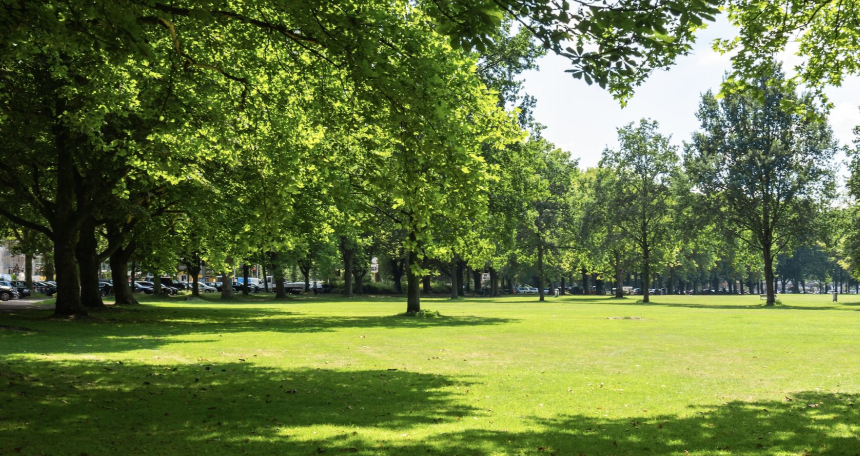
The number of bedrooms, quality of local schools and distance to the railway station have traditionally shaped where people choose to buy. Moving Compared, the UK’s leading home moving hub helping buyers, sellers and movers compare trusted conveyancers, surveyors, says access to green space is now becoming an equally important part of the property search.
New polling found that 73% of people prioritise proximity to the countryside when deciding where to live, ahead of good schools and low council tax. DEFRA figures also show that 80% of households in England have access to a green or blue space within a 15-minute walk, rising to 91% in rural areas but falling to 78% in urban locations.
Moving Compared says this is influencing both the properties buyers shortlist and the neighbourhoods they consider. A home without a large garden may become more attractive when it sits near a well-maintained park, woodland or riverside path, particularly for remote workers, dog owners and families. Despite this, a green patch on a map does not always mean convenient access to nature. The nearest entrance may be some distance away, the walking route could cross a busy road or the space may be poorly maintained, unlit or regularly waterlogged. Parks can also host sporting events, festivals or late-night activity that buyers may not encounter during a viewing.
Buyers should walk the full route, visit at different times and check opening hours, lighting, maintenance and how well the space suits their routine. They should also review planning applications, flood-risk information and whether the surrounding land is protected, rather than relying solely on an estate agent’s description.
With more than one in five initially falling through, Moving Compared says these checks should happen before an offer is made. Green space should be assessed with the same care as schools, transport and parking, because the most valuable park is not necessarily the closest or largest, but the one that can genuinely become part of everyday life.
