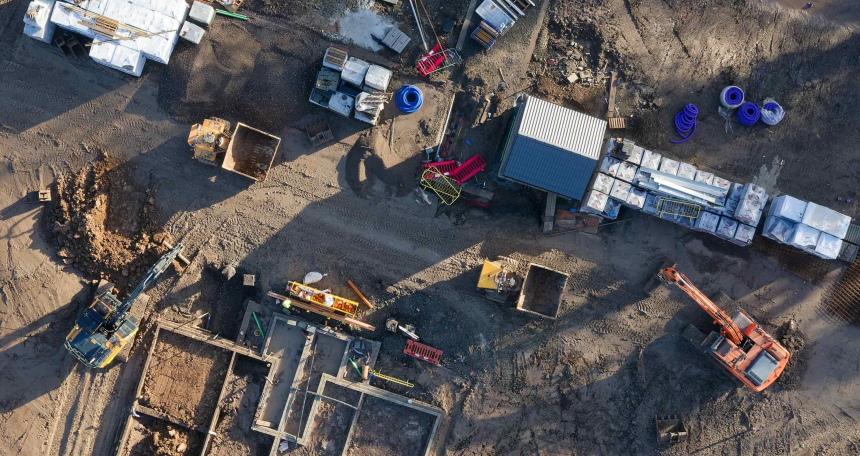
Research from Skipton Building Society has found that 44% of aspiring first time buyers would rather buy a new build than an older property, with just 30% favouring an older build. Modern fittings and appliances were the biggest draw, cited by over half of those who preferred a new build, alongside the promise of lower running costs and less immediate maintenance.
Reserving a new build is a different process to buying an existing home, though, and one that comes with its own set of questions. There is no chain, no negotiation over a previous owner's fixtures and no survey of decades of wear and tear. Instead, buyers are relying on plans, a show home and a developer's word for what they will eventually move into, which makes it worth knowing exactly what to ask before signing anything.
"Buyers often assume that because everything is new, there is less to check, but that's not the case," said Julie Hicks, Head of Communications at Hopkins Homes. "The specification, the warranty and the completion date all need to be understood properly before a reservation fee changes hands."
Here, experts at Hopkins Homes, a new build developer, explore the practical questions they encourage buyers to raise before they commit to a reservation.
What Should We Ask About the Specification?
Show homes are dressed to sell, and it is not always obvious which fittings are included as standard, and which are optional upgrades. Under the updated New Homes Quality Code, which came into force in March 2026, developers signed up to the Code must now more clearly separate standard specification from any extras, which should make comparisons between plots and developments easier for buyers to follow.
It’s still worth asking for a written specification list rather than relying on a walk round the show home, and checking whether kitchen appliances, flooring and outdoor space are included or chargeable additions.
"We would rather buyers ask too many questions about specification than too few," said Hicks. "It should never be a surprise what is and is not included on the day the keys are handed over."
What Does the Warranty Actually Cover?
Nearly every new build comes with a 10-year structural warranty, most commonly through NHBC's Buildmark scheme, though the cover changes partway through. For the first two years, the developer is responsible for putting right defects in workmanship and materials, from faulty wiring to windows that let in draughts. From years three to ten, cover reduces to major structural issues such as the foundations, roof and load bearing walls, meaning smaller snags like guttering or fixtures become the homeowner's own responsibility once that initial period ends.
It’s valuable to query which warranty provider is being used, when the two-year period starts and whether there is an excess payable on a claim, as this varies between providers.
"A warranty is a form of insurance, not a guarantee that nothing will ever need attention," said Hicks. "Buyers should read the policy rather than assume it covers everything for the full ten years."
What Protection Is There if Something Goes Wrong?
Buyers of homes from developers registered with the New Homes Quality Board, which covers around 60% of new homes built in England, can raise unresolved complaints with the New Homes Ombudsman Service, a free and independent scheme that can award compensation of up to £75,000 where a complaint is upheld. Complaints must relate to an issue that arose within two years of reservation or completion, and buyers are expected to raise the issue with the developer first.
Not every developer is registered, so ask directly which code, if any, applies to a particular development before reserving. Under the updated Code, developers must also provide buyers with estimated running and maintenance costs for the first five years of ownership, giving a clearer picture of what to expect beyond the purchase price.
Can We Rely on the Completion Date?
An estimated completion date given at reservation is exactly that, an estimate, and delays caused by weather, materials or planning conditions can happen. Contracts should include a long stop completion date, after which a buyer can withdraw and recover their deposit if the home still is not ready.
"Ask what the long stop date is and get it written into the contract before you exchange," said Hicks. "It’s a buyer's main protection if a build overruns."
